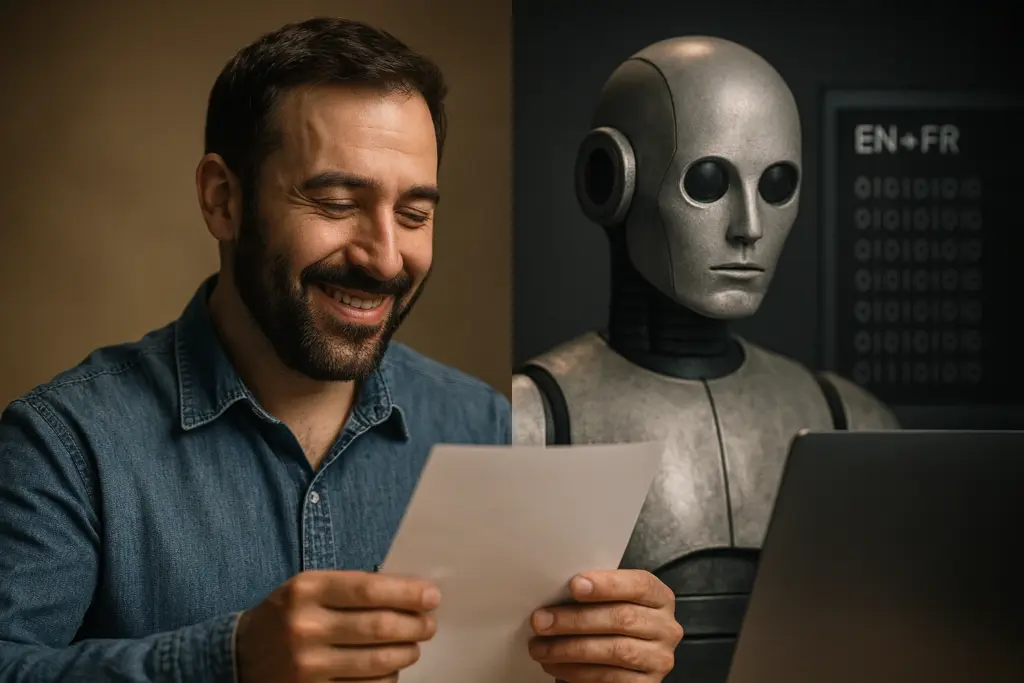
During a time of globalization and ever-growing communication gaps, translation is increasingly fundamental for businesses. As they interact with a wide array of audiences, many are beginning to wonder whether a human-based translation will even be necessary.
So, for their interactions with audiences because AI translation tools are now inexpensive and easily available. Tranzlatex will review how accuracy, culture, and quality help distinguish different forms of translation.
How Human-Based Translation Capture Tone
Firstly, human-based translation possesses the cultural and contextual knowledge that no algorithm can accurately replicate. Just think about how humor, idioms, or expressions vary across cultures.
For example, an English idiom about tennis might confuse readers in countries where the sport is less common. A human translator can replace that phrase with one that makes sense in the local culture.
Human translators also adjust their tone and style for different audiences. Legal documents require accuracy and formality. Marketing materials, on the other hand, need creativity and emotional appeal. This balance helps keep your brand clear, genuine, and emotionally engaging across languages.
Common Drawbacks of Cheap AI Translation
Businesses that rely solely on free or inexpensive online translation tools often overlook the disadvantages of best human-based translation. The most common setbacks include:
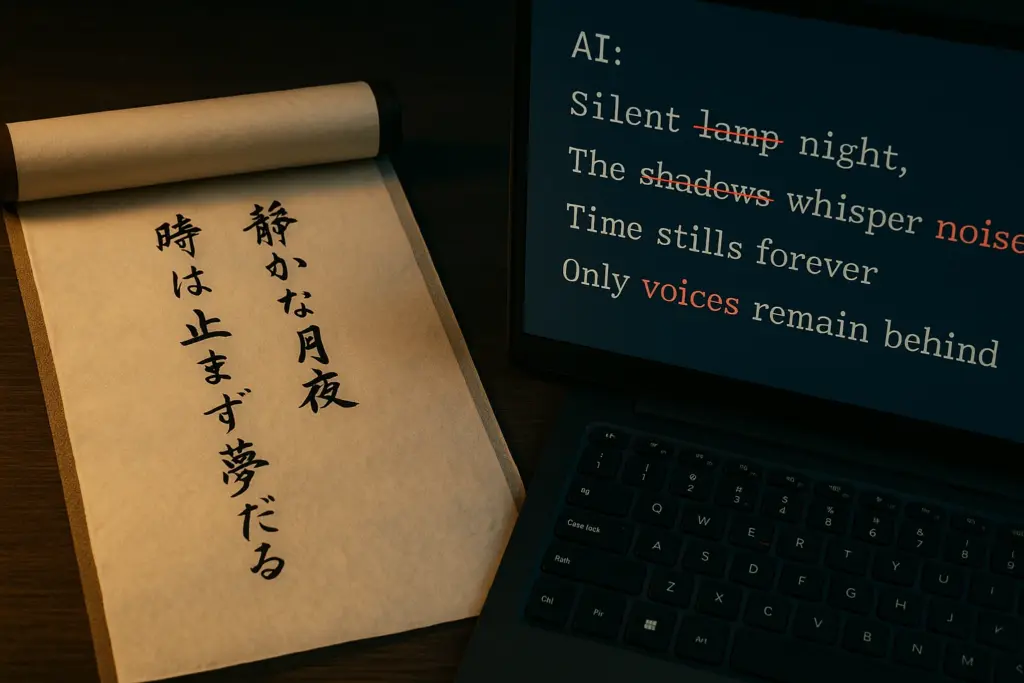
- Loss of meaning: A machine translation effort may misunderstand context, resulting in language that conveys incorrect or nonsensical meaning.
- Brand inconsistency: The tone of voice and style of writing differ across different pieces of machine translation, dulling brand personality.
- Cultural insensitivity: Literal translations can unintentionally offend or confuse the target audience.
- Hidden costs: Revising any mistakes made by AI can cost more than hiring a qualified translator.
In summary, these show that while AI-powered translation has speed, human translation brings reliability and cultural competence, all of which are needed for successful globalization.
The Future Collaboration Between Humans and AI
The future is not a battle between humans and machines. Instead, it is about combining their strengths. While AI speeds up work by handling repetitive text, human translators, on the other hand, bring emotion, context, and culture to every project. Together, they create a perfect balance. As a result, this teamwork helps organizations like Tranzlatex expand globally while maintaining both accuracy and a personal touch in every language.
Why Choose Human-Based Translation?
Tranzlatex gives you many reasons to choose us:
- Certified translators skilled in specific subject matter.
- Fluent speakers who are sensitive to cultural implications and tone.
- Proficient use of AI tools to maximize efficiency without sacrificing quality.
- Extensive proofreading and quality assurance for each project.
- Transparent pricing with no unforeseen costs for revisions or enhancements.
Final Words
All in all, inexpensive AI translations offer a quick and simple solution. However, nothing can replace a translator’s skill, creativity, and empathy. In fact, human-based translation is not a cost — it is an investment in your brand’s integrity, customer trust, and global growth. Ultimately, the best of both worlds comes together with Tranzlatex, as we value both efficiency and authenticity.